I went to a wedding last month—well, sort of!
She didn’t get married, but wore red, Morris danced down Coldharbour Lane and had a civil partnership… because it was a choice.
I want to share this story – and it’s a perfect way to demonstrate marriage law reform. Some people questioned if I was attended a wedding because my friend wasn’t having a traditional legal wedding. She and her partner are an opposite-sex couple who chose a civil partnership.
It was a wonderful day. Both parents gave speeches; her groom’s family delivered speech after speech in French—meaning I had to dig out some long-forgotten GCSE vocabulary—and there was so much love in the room. The bride wore red, and she literally danced along the street from the register office to the wedding breakfast.
I loved all of it – mainly because I loved seeing how happy she was, but also it gave me food for thought. As I sat there with a rather lovely glass of wine (since I was a guest and not on duty as a wedding celebrant of 14 years :-)), I reflected on the choice they made. My friend is a Christian, and she is also an active ally to the LGBTQ+ community. She looked closely at the choices open to her, thought about what mattered, and picked a modern commitment framework that aligned with her values in England as well as France.
That day brought one major question into focus for me: Can marriage law keep pace with the people actually committing to each other?
The Shift: Regulation of the Officiant, Not the Building
Having spent over 14 years working as an independent celebrant, mentor, and venue manager, I know how deeply physical spaces and human connections matter. I have managed Grade II listed buildings, worked at the Almeida Theatre, Richmond Theatre, and the Young Vic, I have done weddings at Claridges, in Fields and at wonderful venues so I know what happens when the chairs aren’t quite right, and I know how quickly a guest can feel excluded.
Yes, the room matters—but the people matter more.
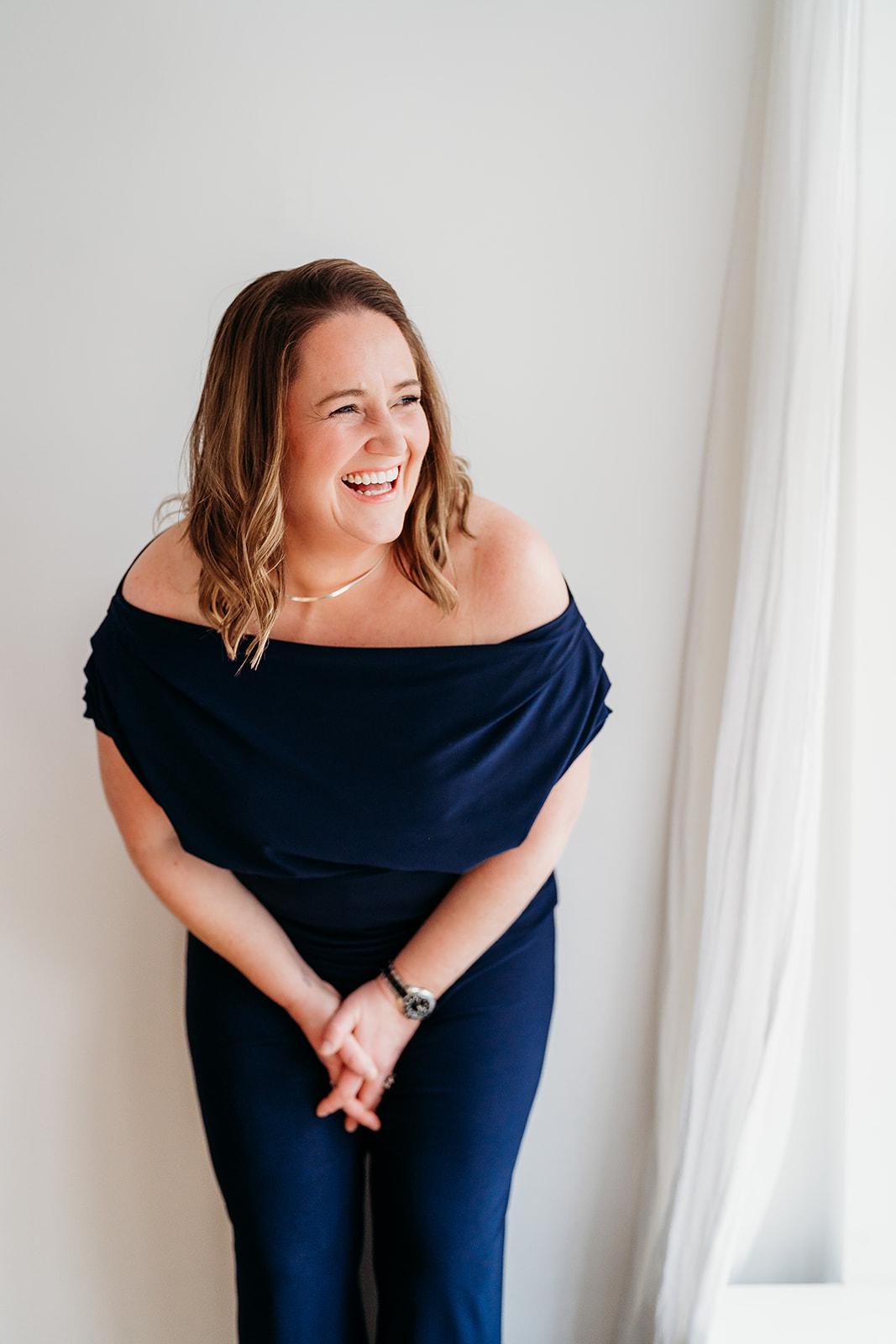
Photo credit: Matthew Lawrence Photography
The current system governing marriage in England and Wales is tied heavily to the physical building or location where the ceremony takes place. Under the Marriage Act 1949, legal ceremonies are generally restricted to licensed register offices, approved premises, or places of worship.
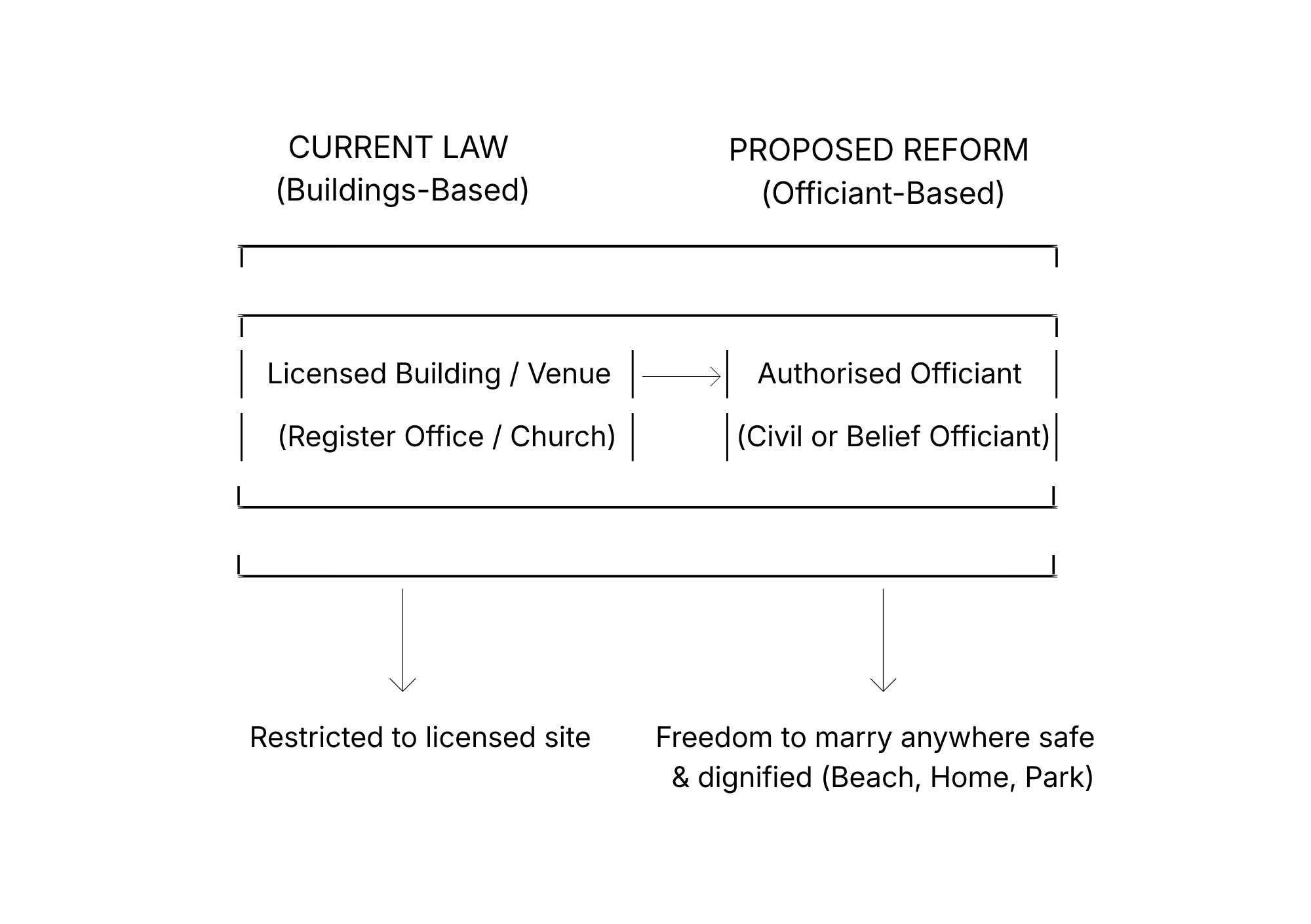
The UK Government’s public consultation, Tying the Knot: Reforming weddings law in England and Wales (closing midnight 24 September 2026), proposes moving away from a building-licensed model toward an officiant-based scheme. Building on the Law Commission review Celebrating Marriage: A New Weddings Law, the legal responsibility shifts to the person conducting the ceremony.
┌───────────────────────────┐
│ Authorised Officiants │
└─────────────┬─────────────┘
│
┌──────────────────────────┴──────────────────────────┐
▼ ▼
Civil Officiants Belief Officiants
┌─────────────────────────┐ ┌─────────────────────────┐
│ • Registration Officers │ │ • Anglican Clergy │
│ • Maritime Officiants │ │ • Nominated Religious │
│ • Independent │ │ Officiants │
│ Officiants (Proposed) │ │ • Non-Religious Belief │
└─────────────────────────┘ │ Officiants (e.g., │
│ Humanists UK) │
└─────────────────────────┘
This fundamental rewrite opens up a flexible, inclusive system where universal rules apply to all weddings, allowing couples to celebrate their special day almost anywhere—from beaches, forests, and local parks to community halls, private homes, cruise ships, and tipis
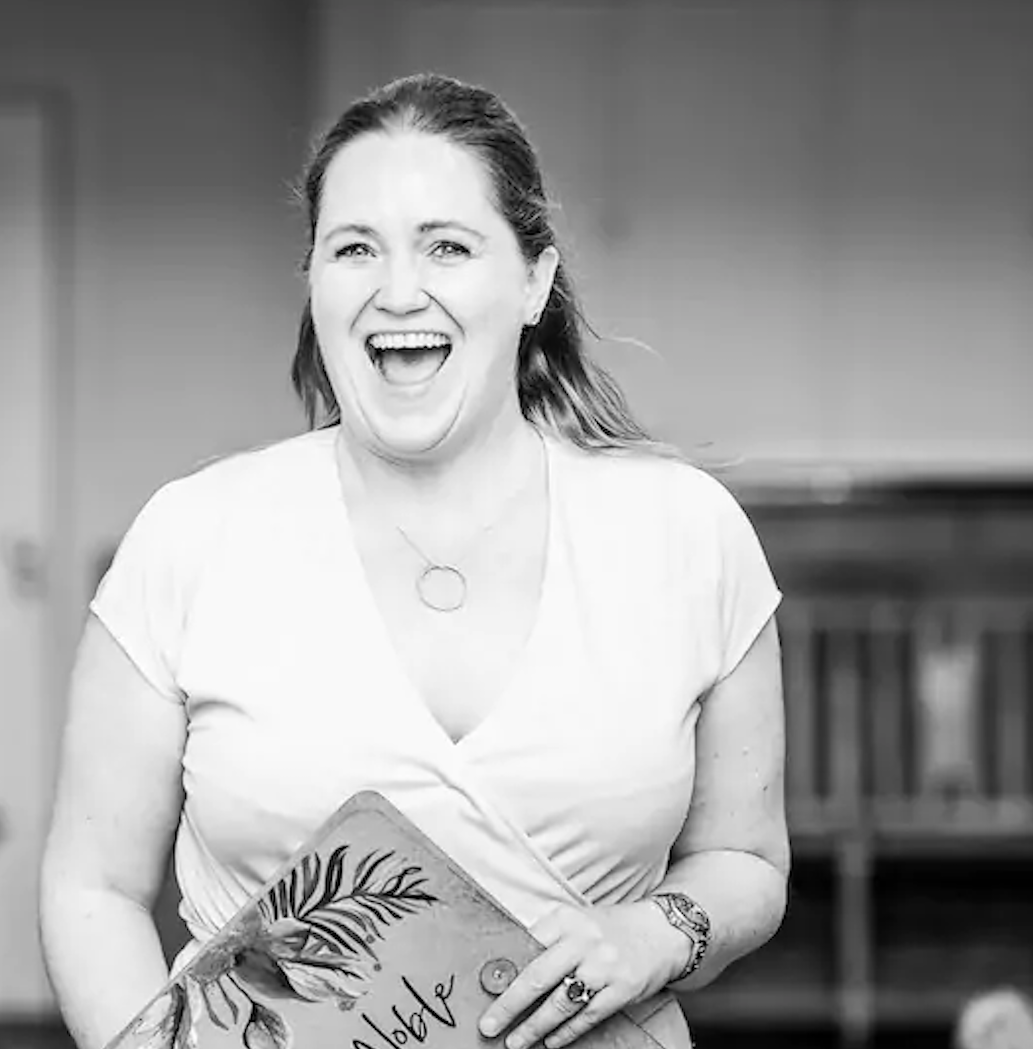
Photo Credit: Mike Garrard Photography
Why the Officiant-Led Model Matters for Couples and Celebrants
As a celebrant, I spend months getting to know a couple:
- I learn why the grandmother is carrying the rings, why the children are involved, and what they’ve been through to get to this point.
- I understand why they’ve chosen a specific piece of music, what family traditions matter, and where the tears are likely to come from.
- I also, through my marriage preparation course and belief coding work, will know how to hold them
┌─────────────────────────────────────────────────────────────┐
│ Current Legal Gap │
│ │
│ Celebrant-Led Ceremony Register Office │
│ (Personal, Meaningful, (Separate “2+2” Formal │
│ No Legal Standing) Paperwork Appointment) │
└──────────────────────────────┬──────────────────────────────┘
│
▼
┌─────────────────────────────────────────────────────────────┐
│ Proposed Reform Scheme │
│ │
│ Single Legally Binding Ceremony Conducted by an │
│ Authorised Independent Officiant in Any Suitable Location │
└──────────────────────────────┬──────────────────────────────┘
Currently, an independent celebrant is not automatically a Humanist celebrant, nor can we legally register a marriage in England or Wales. Couples who choose a personal, bespoke ceremony must book a separate, basic civil registration at a register office. That can be a good thing, or not. It depends on your point of view and many different factors.
I don’t arrive with a doctrine that a couple has to fit themselves around; I arrive with the couple and make space for their family, culture, history, and hopes. By including independent officiants in the new framework, it removes this two-step hurdle, allowing the person who actually knows their story to legally solemnise their marriage.
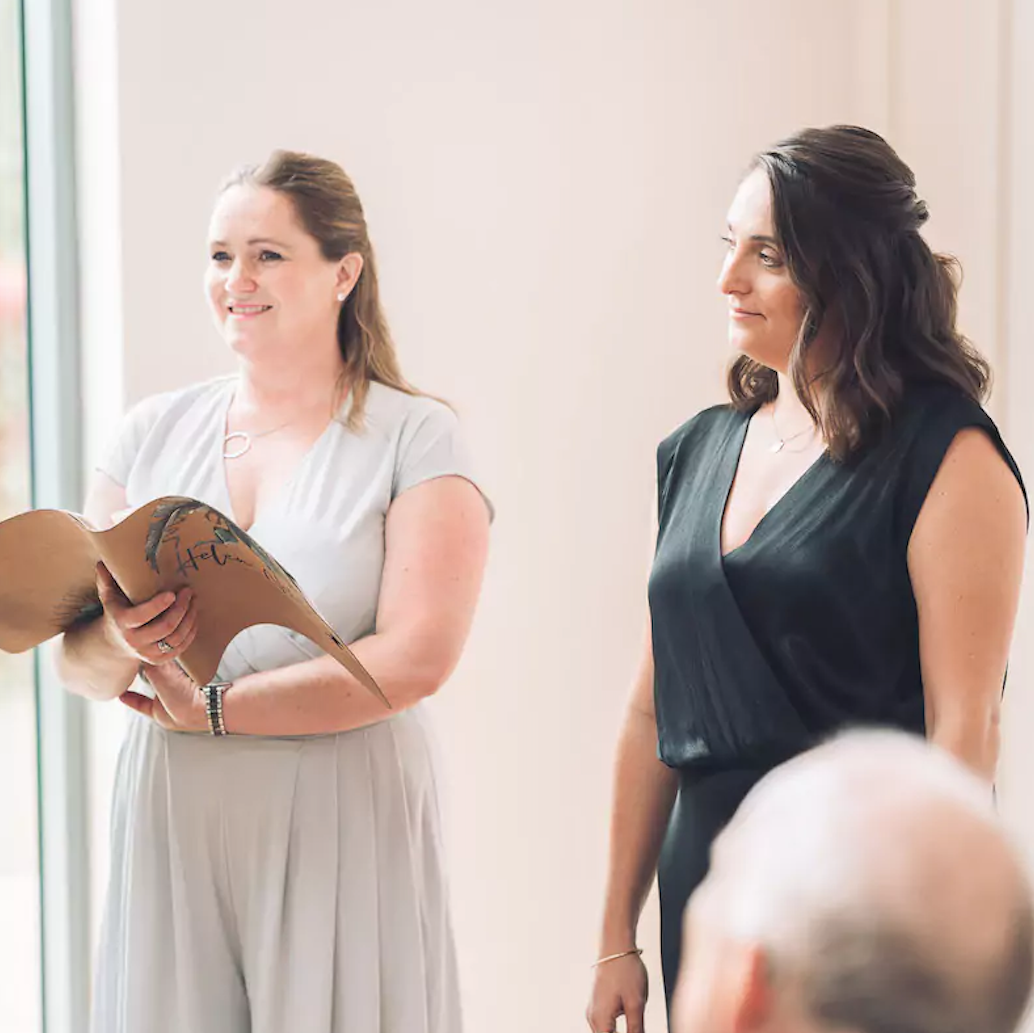
Photo Credit: Mike Garrard Photography
Setting High Professional Standards for Independent Officiants
Giving celebrants legal authority requires clear regulation, accountability, and safety safeguards. Under the proposed framework, independent officiants would belong to recognised, regulator-approved membership organisations. This is the bit I shall be watching like a hawk.
To maintain the dignity of marriage and protect couples, these bodies will enforce strict criteria:
- Ofqual-Approved Training: Completing accredited, recognised training courses (such as those provided by Ofqual-registered bodies like The Academy of Modern Celebrancy of which I am a trainer).
- Fit and Proper Person Standard: Passing background checks, code-of-conduct reviews, and character verifications overseen by central authorities like the General Register Office.
- Ongoing Professional Development & Insurance: Maintaining public liability insurance and regular training updates to renew authorisation every five years.
- Safeguarding Responsibilities: Upholding duties to ensure explicit, free consent and preventing predatory or forced marriages during legal preliminaries.
I have my thoughts on this.

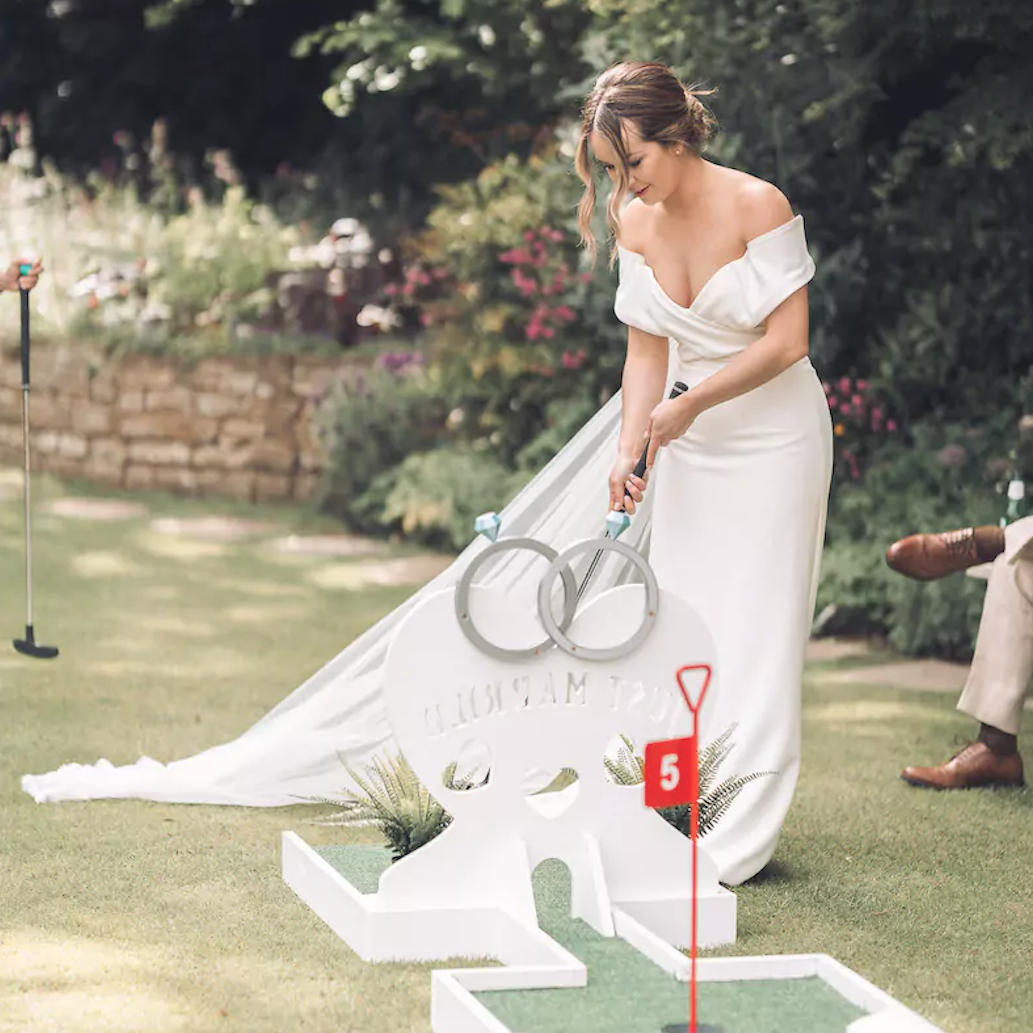
Photo Credit: Hester Barnes Photography
What Does Genuine Choice Look Like Going Forward?
While this public consultation is a major milestone for independent celebrants, venue operators, and couples, it is a consultation—not active legislation yet.
As the Ministry of Justice reviews public feedback after 24 September 2026, wider questions remain:
- Inclusion of Civil Partnerships: Ensuring future legislation clarifies how officiant-led models apply to civil partnerships so new legal disparities aren’t introduced.
- True Affordability: Removing rigid venue-licensing costs so couples aren’t forced to spend thousands on commercial venues just to tie the knot.
- Protecting Beliefs and Values: Creating a balanced framework where religious groups, non-religious belief bodies (like Humanists UK), and independent officiants can all serve couples with dignity, safety, and respect.
I sometimes describe the wedding as the front page and the marriage as the book. At its core, a wedding is remarkably simple: two people deciding to build a life together, surrounded by the people who matter most. Modern wedding law reform should simply be good enough to support that choice. Is it going to be and do I or you want to be part of it?
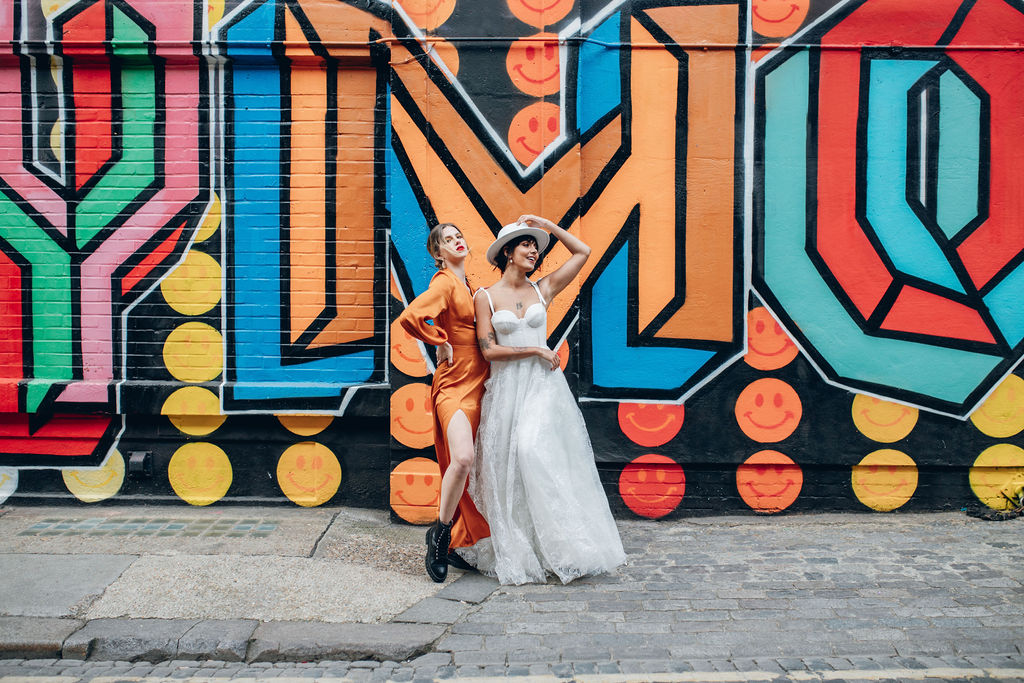
Photo Credit: Maria Madison Photography
I certainly want to be part of the conversation.
What are your thoughts on wedding law reform? Share your perspective – I’d love to hear from you!